Amazon Abandons Data Center Plans in Loudoun County After Local Resistance
The tech giant will convert a 122-acre site into housing and public spaces, ending a dispute over power usage and noise in a region known for its high concentration of data facilities.
By Ken Adams ·
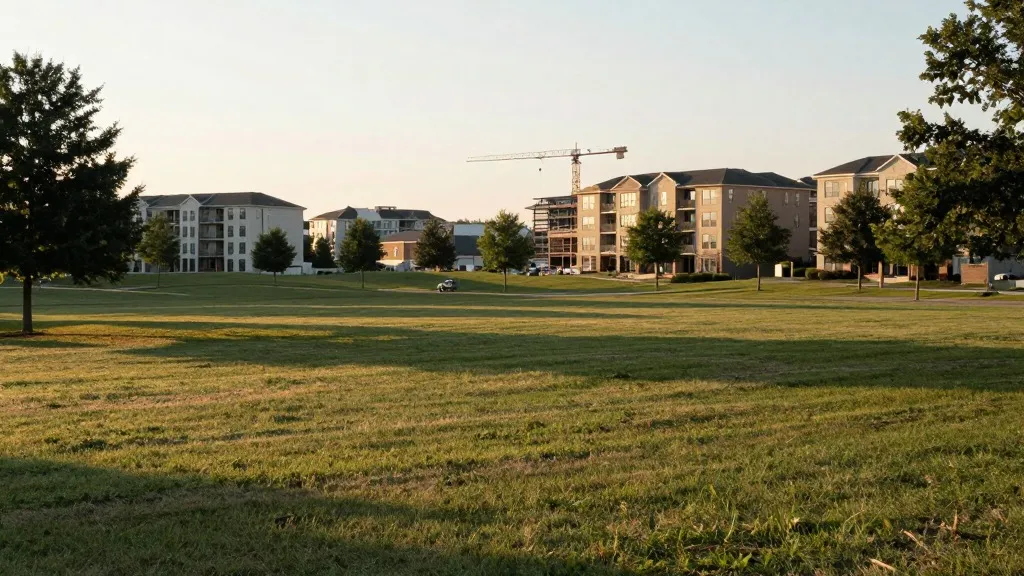
A major shift in land use has been confirmed for a site outside Washington, D.C.
Amazon has officially withdrawn its proposal to construct four new data centers on a 122-acre property in Loudoun County. The land, formerly the campus of George Washington University, will instead be developed primarily for mixed-use and residential projects. This decision follows significant opposition from local residents who raised concerns about the environmental and infrastructural impact of the proposed facilities.
The company is not simply abandoning the site. As part of the new arrangement, Amazon will donate 25 acres of the land to Loudoun County. These acres are designated for the construction of a community arts center and a new recreational facility. Additionally, the tech giant has committed a $5 million contribution to the county’s housing fund. These moves signal a clear pivot away from the heavy industrial use originally planned for the location.
The change marks a distinct turnaround for a county already labeled 'Data Center Alley' due to its high density of such facilities. Residents voiced specific worries regarding the noise levels generated by data centers and the massive power requirements needed to keep them running. These concerns have influenced the local government's stance on new construction in recent months. Amazon initially submitted its proposal in July of this year. By September, the company met with Phyllis J. Randall, the Chair of the Loudoun County Board of Supervisors, who suggested that an alternative use for the land might be more suitable.
Josh Weissman, Amazon’s vice president for data center development, addressed the change in plans. He noted that the company had moved quickly to secure the former university campus when it became available. However, Weissman acknowledged that the company listened to the county’s specific concerns about development at that particular location. He stated that while Amazon viewed the legal development potential of the property differently than the county did, they decided that a shared vision was preferable to costly legal battles.
This local resolution occurs against a backdrop of rising national tension over data center expansion. The rapid growth of artificial intelligence has increased demand for larger and more numerous facilities. This surge has led to community pushback, often centered on rising electricity prices and water usage. Just before this news emerged, President Donald Trump called on data center builders and major AI companies to pay local communities a dividend to offset energy price increases. He also proposed that these facilities should generate their own power and return excess energy to the local grid.
Loudoun County officials framed the outcome as a success of negotiation. Chair Randall stated that choosing dialogue over conflict created a valuable opportunity for the county. She emphasized that the agreement would provide new spaces for residents to gather and play. Most importantly, she highlighted the potential for creating more affordable homes for working families. The deal avoids a potential legal standoff while delivering tangible community benefits.
The situation illustrates the growing friction between tech infrastructure needs and local living conditions. While the demand for cloud and AI services continues to drive construction, the tolerance for the associated costs and disruptions is shrinking. This agreement in Loudoun County may serve as a model for how other communities negotiate with large tech firms seeking to build in sensitive areas.
For now, the plans for four data centers are off the table. The focus shifts to residential development and public amenities. The $5 million housing fund donation and the new recreational facilities aim to address some of the community’s long-standing needs. The decision underscores that even major tech companies must now weigh the social and political costs of their infrastructure choices.
Source: Tom's Hardware