Tesla Shrinks Self-Driving Promise to Six Cities by 2027
Unsupervised driving for private owners will be limited to existing Robotaxi zones, delaying a universal rollout by months.
By Yasmin Farouk ·
1.1 million shares backed the most urgent question on Tesla’s recent earnings call. Investors wanted to know when unsupervised Full Self-Driving would finally arrive in their own vehicles. The company answered with a specific date: the second quarter of 2027. This new timeline marks the latest shift in a promise that has been made for nearly a decade.
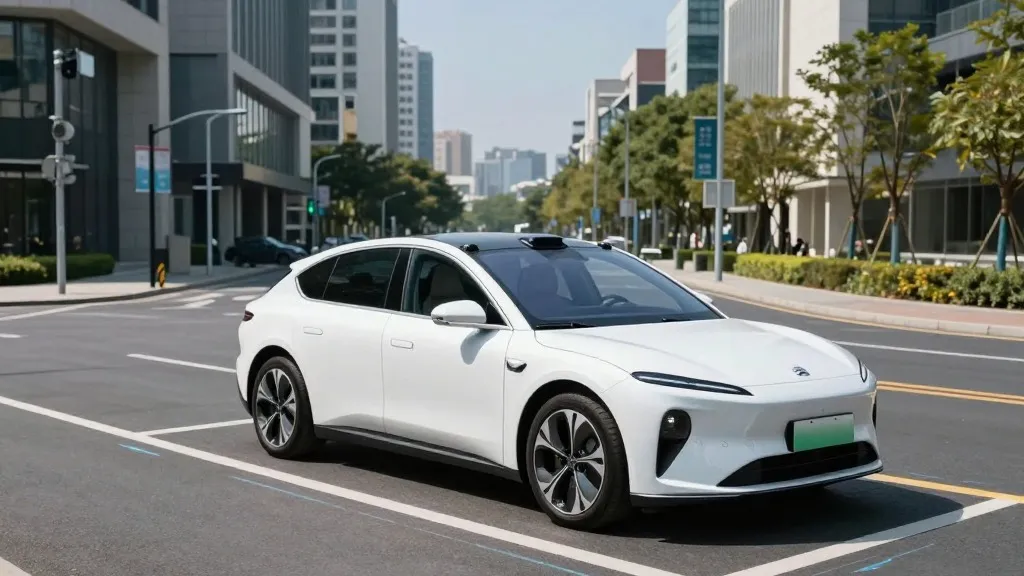
The date is not the only change. The scope of the feature has narrowed significantly. Tesla AI chief Ashok Elluswamy explained that the system will not allow owners to drive their cars anywhere they choose. Instead, owners will be able to add their vehicles to Tesla’s managed Robotaxi fleet. This means the car will only drive itself unsupervised within areas where Tesla’s Robotaxi service is already active.
Those active areas are currently small. Tesla’s Robotaxi service operates in six major US metros. In each city, the service covers only a fraction of the total area. For example, the Miami zone includes West Miami and a strip toward Doral and Sweetwater. Orlando and Tampa launched with similarly small geofences in July. The service generally sticks to low-speed routes and avoids highways or complex parts of town.
The operational constraints are strict. In the Bay Area, the service is not unsupervised at all. California rules require a safety driver in every car because Tesla has not released data to the California DMV. This data release is required for systems beyond level 2 autonomy. Tesla does not want to release this data yet, so a human remains in the driver’s seat in that region.
The fleet size reflects the limited scope. Tesla reported that Robotaxi reached nearly 2 million cumulative unsupervised miles by the end of the third quarter. This milestone came one month after the Cybercab joined the Austin fleet. Third-party tracking from earlier this spring showed only dozens of fully driverless Teslas on the road. This number is far from the hundreds of thousands that CEO Elon Musk has previously discussed.
Competitors have already made inroads in these cities. Waymo was operating in both Orlando and Tampa before Tesla entered those markets. Waymo has logged over 3 million miles. The difference in scale highlights the gap between Tesla’s current deployment and its long-term ambitions. Tesla’s approach remains cautious, focusing on safety as the primary bottleneck.
This new model differs from the original pitch. For years, Tesla told FSD buyers that a software update would eventually let their cars drive themselves anywhere. In July 2025, Musk said unsupervised FSD would be available for personal use in certain geographies by the end of that year. A year before that, he said he would be surprised if Tesla did not have unsupervised self-driving the following year.
Owners with older hardware face additional hurdles. Those with Hardware Version 3 have been told their computers cannot run unsupervised FSD at all. There is no clear plan for an upgrade. The current target of Q2 2027 applies to a narrower product. Your car joins Tesla’s fleet, operates in Tesla’s zones, and follows Tesla’s terms.
The stakes for consumers are clear. If you buy an FSD-equipped car, you are not getting a vehicle that drives you home from the airport across town. You are getting a car that can work as a Robotaxi inside a small, controlled geofence. No highway road trips are included. No unsupervised commutes are guaranteed unless you live and work within one of the specific zones.
Tesla admits uncertainty about the timeline. Elluswamy reiterated that safety is the main barrier. He guesses that safety issues will be resolved by next year, but he does not know for sure. The company is essentially guessing when the system will be ready. For now, the goalpost has moved from universal autonomy to a limited, managed service in a handful of cities.
Source: Electrek