The 22-Flight Gauntlet: NASA’s New Moon Landing Math
A new internal estimate suggests that twenty-two separate rocket launches are required to fuel a single lunar lander, complicating the timeline for returning humans to the Moon.
By Ahmed Mansour ·
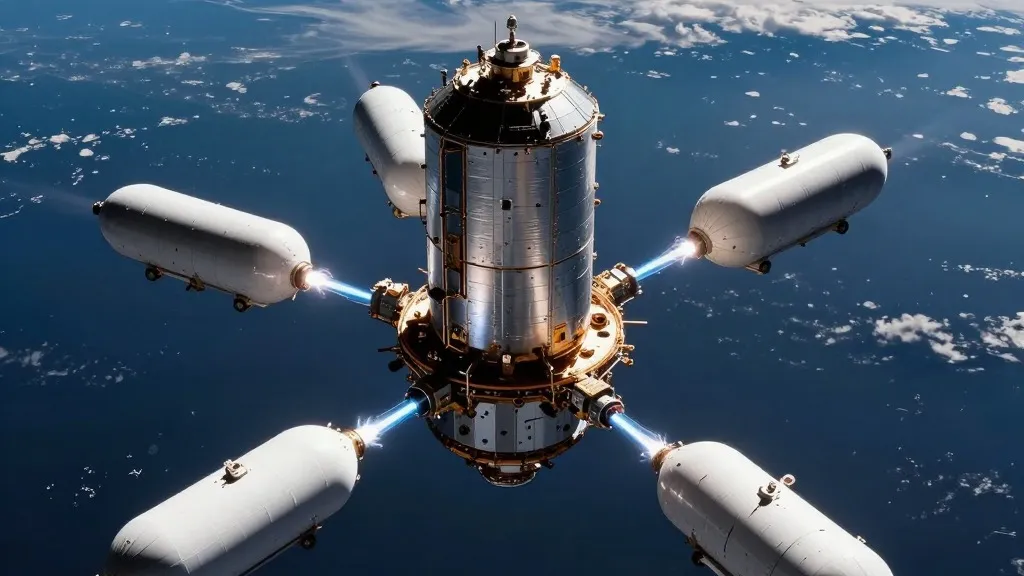
For the average person watching the moonrise, the change is subtle but significant: the logistical machinery required to send humans back to the lunar surface just became visibly heavier. Until now, the public has watched the Artemis program with a sense of streamlined inevitability, expecting a sleek, efficient push toward the Moon. That perception is being upended by a specific, previously guarded metric that determines whether the mission is feasible on schedule. The number in question is no longer a low double-digit estimate but a figure that implies a massive, repetitive campaign of orbital refueling.
This shift in understanding stems from a number NASA has historically treated with the discretion of a defense agency. The metric in question is the exact count of Starship launches necessary to fill a lunar lander in low-Earth orbit with enough liquid oxygen and methane to travel to the Moon, land, and return to orbit. For years, the agency has avoided pinning down this figure, preferring to let the uncertainty simmer rather than commit to a public target that could be used as a benchmark for success or failure.
The history of this estimate is one of gradual adjustment. In 2023, Lisa Watson-Morgan, then the director of NASA’s Human Landing System, acknowledged to reporters that the agency had a general idea but was reluctant to specify it precisely. Her subsequent comments suggested a range of "high single digits to the low double digits," which translated to roughly a dozen launches. This implied a process involving one "depot" vehicle to hold the propellant and approximately eleven "tanker" flights to fill it. Later, other officials floated the number into the "high teens," reflecting ongoing refinements in the plan.
The optimism behind those earlier, lower figures rested on a key assumption: that SpaceX would rapidly increase the lift capacity of its Starship rocket. If the rocket could carry more fuel per launch, the total number of flights required would drop, making the lunar campaign more manageable. However, concerns are now growing among some NASA officials that this dramatic improvement in lift capacity may not arrive soon enough to support a crewed lunar landing later this decade.
The latest development emerged during a quarterly meeting of the NASA Aerospace Safety Advisory Panel held on Thursday. During the session, Charlie Precourt, a former NASA astronaut and panel member, discussed the risks associated with the Artemis program. His comments highlighted the specific challenges related to landing humans on the Moon, bringing renewed scrutiny to the logistical hurdles that have long been the subject of internal debate.
The move to a higher number reflects a pragmatic recalibration of expectations. As the program progresses, the engineering reality of moving massive amounts of propellant into orbit is proving more complex than initial projections suggested. The focus is shifting from the novelty of the rocket itself to the sheer volume of operations required to support a single crewed mission. This changes the operational tempo of the program from a series of high-profile milestones to a sustained, high-frequency launch campaign.
For the broader space industry, this number serves as a critical data point. It indicates that the path to a crewed lunar landing is less about a single breakthrough and more about the reliability and frequency of orbital assembly. The "depot" model, where one ship is filled by many others, requires a level of operational precision and throughput that is currently being stress-tested against reality. The new estimate suggests that the margin for error is tighter than previously thought.
Looking ahead, the next phase of the Artemis program will be judged not just on whether the rockets fly, but on how quickly they can be reused and refueled in orbit. The timeline for returning humans to the Moon now hinges on the ability to execute these twenty-two launches efficiently. If the pace slows, the window for a crewed landing this decade may close, pushing the milestone further into the future and forcing a reevaluation of the program's short-term goals.
Ultimately, the story of the Artemis program is no longer just about the destination, but about the arithmetic of getting there. The number 22 is not just a statistic; it is a measure of the effort, the risk, and the time required to make the lunar return possible. As NASA continues to refine its plans, the focus will remain on closing the gap between the projected lift capabilities and the actual performance of the vehicles, ensuring that the final ascent to the Moon is supported by a foundation of reliable, repeatable operations.
Source: Ars Technica