Warhound secures $200 million to develop genetically engineered military canines
A new venture backed by Colossal Biosciences and Anduril aims to clone high-performance working dogs equipped with advanced tech gear for U.S. defense and law enforcement.
By Rafael Ortega ·
Warhound has emerged from stealth mode with a $200 million funding round to begin the process of engineering specialized working dogs for the United States military and law enforcement agencies. The venture, which values the company at $1.2 billion, is led by Ben Lamm of Colossal Biosciences and involves a partnership with Anduril Industries. Investors in the round include Sequoia, 8VC, Corner Ventures, and In-Q-Tel, the latter of which is supported by U.S. intelligence agencies. The startup intends to address a critical gap in the national supply of service canines by creating a new breed of dog optimized for dangerous and complex operational environments.
The company notes that more than 80 percent of the U.S. military's working dogs are currently sourced from Europe, and less than half of those imported animals are deemed fit for service. This heavy reliance on foreign supplies has created a dwindling domestic pipeline for dogs that play vital roles in bomb detection, search and rescue, and other specialized missions. Warhound aims to reverse this trend by using genetic technology to produce canines with traits specifically suited to demanding military tasks. The goal is to reduce the dependency on overseas breeding programs and ensure a more reliable domestic supply of high-quality working dogs.
Lamm first connected with Anduril founder Palmer Luckey about a year ago at a conference, where they discussed the need for better support for military working dogs. Following that meeting, Lamm researched the breeding practices for these animals and identified several inherited health issues that often prevent dogs from completing training. These problems include poor eyesight, hip dysplasia, muscle atrophy, and a higher likelihood of cancer. The new venture plans to use gene editing to remove these detrimental traits while adding genetic markers that enhance speed, agility, longevity, and olfactory capabilities for tasks such as bomb sniffing.
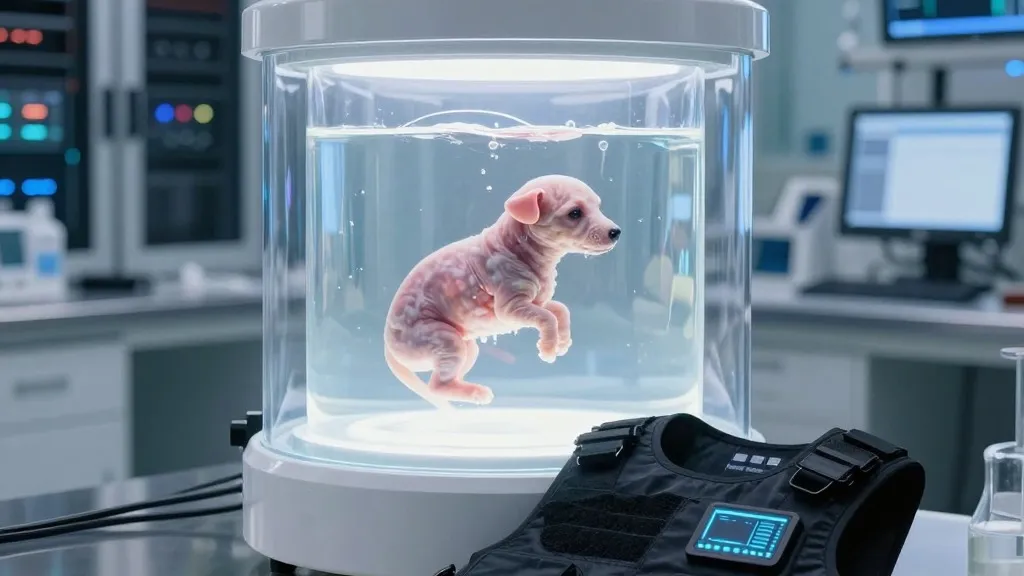
The biological process will involve taking cell lines from top-performing Belgian Malinois and German Shepherd breeds, which are currently used in military operations. These cells will be stored in a biobank where the team will edit the genetic code to create what the company describes as a new type of dog. Viagen, another company owned by Colossal, will partner with Warhound to handle the cloning and incubation process. Lamm stated that the first batch of dogs is ready for cloning and incubation, with births expected in early next year. The company hopes to have these dogs in active service within two years.
While Colossal handles the biological engineering, Anduril will provide the hardware and software components for the dogs. This equipment will include protection vests, goggles, and data sensors designed to improve situational awareness for both the animals and their human handlers. Lamm explained that the technology will allow handlers to receive real-time data from the dogs, such as information from sensors embedded in bulletproof vests. He emphasized that these technological additions will work in conjunction with the genetic enhancements to make the dogs safer and more effective in the field.
Luckey is a partner in the venture but does not hold equity in the company, according to Lamm. Colossal Biosciences owns equity in Warhound and supports the business by licensing its genetic technologies. Colossal is widely known for its de-extinction projects, which aim to bring back species such as the dodo and the mammoth using artificial intelligence and gene cloning techniques. The company uses this same technological foundation to support Warhound's development of genetically enhanced canines.
Warhound has not yet determined the price it will charge for its dogs, but it expects to sell to first responders, the Department of Defense, military service groups, and police forces. Lamm said the company has briefed numerous government groups about the business and its plans. Regarding civilian safety, Lamm assured that each dog will undergo the same rigorous training as any other military working dog and will be managed by the purchasing agency. The company is working under the guidance of the American Humane Society to help certify its training program for the new dogs.
The American Humane Society issued a statement welcoming the collaboration, noting that they are grounded in science and ethics. The organization said it looks forward to working with Warhound and Colossal to ensure the animals are treated humanely. The hope is that when these new military dogs retire, they will enter the Society's Military Working Dog Reunification Program, which provides homes for retired service canines. Warhound's launch marks a significant step in the integration of biotechnology and defense technology for the U.S. military.
The company's approach combines biological innovation with advanced hardware to create a more capable and resilient working dog. By addressing both genetic health and technological support, Warhound aims to improve the performance and safety of canines in high-stakes environments. The partnership between Colossal and Anduril represents a unique convergence of biotech and defense sectors, potentially reshaping how the U.S. military procures and maintains its working dog programs in the coming years.
Source: TechCrunch